ProdMedia
Discuss a similar system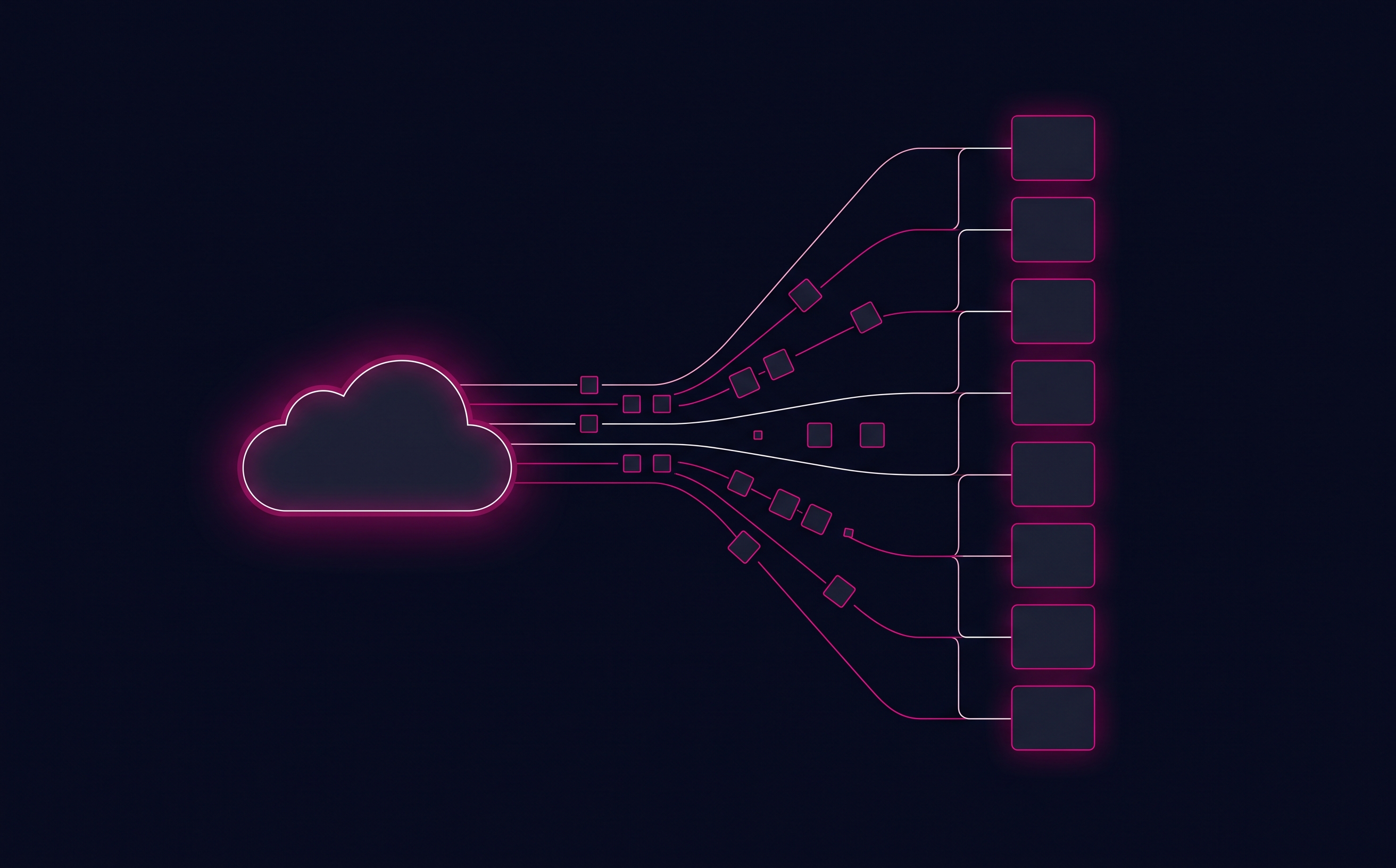
automation
E-commerce Automation Platform
A content and automation layer built around a hosted e-commerce platform: blogs, product sync, and extra storefronts — a set of focused services behind one login
The retailer ran on a hosted e-commerce SaaS the owners did not want to leave. We built the automation layer around it: a blog network, an API bridge, product synchronisation, and additional storefronts — connected by a Rust backend with shared authentication, so the team touched the SaaS as little as possible.
Electronics & audio retailerClient
Lead developerRole
2025Year
Rust · Axum · PostgreSQL · Redis · WASMStack
Project overview
Content, support requests, and documentation were scattered across personal messages and separate tools, with no shared authentication or central place to manage users.
We built a set of focused services behind one login. Each service handles one job and authenticates through a shared login endpoint, so the team manages content, documentation, support bookings, and media from a single consistent platform.
Operational Needs
Usage Behaviour
Personas
The platform was shaped around the roles that actually do the work — four roles, four daily surfaces, one shared login.
How it was built
AUDIT
BLUEPRINT
BUILD
SYNC
Key insights from the build
Shared authentication removes the largest source of daily friction before any feature work.
A service-per-job model is easier to extend than one growing monolith.
The shop stayed on its hosted SaaS — the platform wraps it with blogs, sync, and storefronts instead of fighting for a migration.
Requirements were vague: live inside the workflow first, then shape the system around what you actually saw.
Requests and docs moved out of chats into the platform make work findable.
Architecture
Built to grow one service at a time
The service-per-job model means new capabilities are added as focused services on the same backend, without destabilising the rest of the platform.
We build internal platforms that grow one focused service at a time.
Shared authentication, clean separation, and a single cockpit.
Start a project